Commercial Waste Harlesden: Recycling and Sustainability
 Commercial Waste Harlesden is committed to building an eco-friendly waste disposal area and a truly sustainable rubbish area across Harlesden and the surrounding Brent borough. This overview explains how local businesses can reduce landfill, increase reuse, and support the circular economy through measured targets, practical recycling streams and low-carbon logistics. Whether you refer to our service as Harlesden commercial waste or commercial rubbish Harlesden, the focus is the same: higher recycling, lower emissions, and community benefit.
Our strategic recycling percentage target is a clear metric for progress: we aim for a 65% recycling rate by 2030 for all collected commercial waste in the Harlesden service area. That target sits alongside shorter-term milestones — a 50% recycling rate within five years — and is backed by planned investments in sorting, reuse partnerships and reporting systems. Achieving this requires close cooperation with local businesses, the borough’s waste policies, and shared responsibility for correct separation of materials.
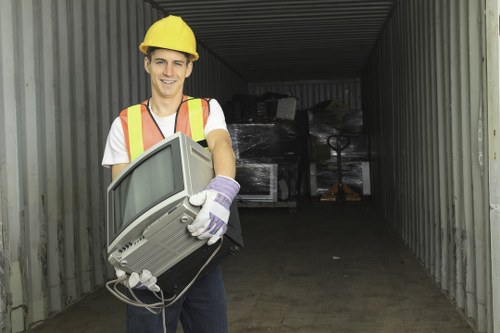 The borough approach to waste separation feeds directly into how we collect and process commercial streams. Brent and neighbouring boroughs emphasise separate food waste, mixed dry recyclables (glass, paper, card and certain plastics), clear textile streams and accountable disposal of WEEE (electricals) and bulky items. Typical Harlesden recycling activity includes:
- Glass and mixed recycling collections from shopfronts and cafés.
- Food and organic waste segregation for local anaerobic digestion.
- Textiles and furniture reused via charity partnerships.
- Separate handling of construction and demolition waste for recycling.
Local Transfer Stations and Processing
We use nearby transfer stations and borough processing hubs to keep transport miles low and maximize recovery. Commercial loads from Harlesden are routed through local depots and MRFs (materials recovery facilities) so that glass, paper, plastics and metal are diverted from landfill early. By consolidating collections and using municipal transfer points we reduce double-handling and the carbon footprint of each tonne processed.Partnerships with Charities and Reuse Schemes
 Building a sustainable rubbish area depends on reuse as well as recycling. We partner with local and national charities to divert items that are in good condition: household furniture, working appliances, textiles and surplus building materials. These collaborations support community reuse programmes, produce local job opportunities and reduce waste disposal costs. Key charity activities include:
- Furniture and appliance reuse — items collected and refurbished by charity partners rather than shredded or landfilled.
- Textile drives and donation networks that keep clothing out of the waste stream.
- Social enterprise collaborations that accept surplus office equipment and offer training in repair/reuse.
Our commercial rubbish Harlesden service favours redistribution first, then material recycling, which is both the most socially responsible and often the lowest-carbon option for many items.
Low-Carbon Fleet and Route Optimisation
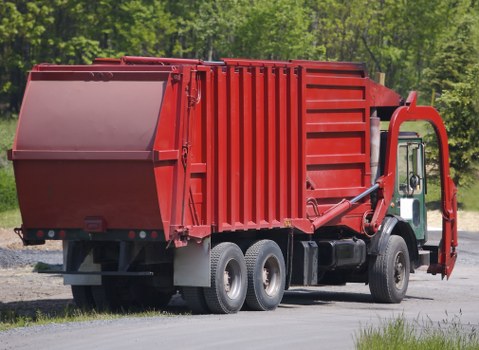
To meet sustainability objectives we operate a growing fleet of low-carbon vans and vehicles. This includes electric light vans for town centre collections, hybrid vehicles for longer runs, and retrofitted low-emission engines on heavier trucks where electrification is not yet viable. Low-carbon vans reduce local air pollution in Harlesden high streets and lower overall CO2 per collection.Fleet emissions are reduced further through smart route planning, multi-load consolidation at transfer stations and scheduled collections tailored to business waste profiles. By coordinating pickups across commercial corridors we minimise empty running and achieve better load factors per journey. The net effect is fewer miles, lower emissions and reduced costs for customers committed to greener waste management.
Sustainable Rubbish Area: Business Support and Circular Practices
Harlesden businesses are encouraged to adopt circular practices: source reduction, reuse, repair and responsible recycling. We offer waste audits, segregation guidance and support for setting up internal collection points for glass, paper, food and textiles. Common commercial interventions include installing reuse stations, scheduled textile collection points, and segregated food waste bins for licensed hospitality venues. Monitoring, measurement and transparency are central to achieving the 65% recycling target. Regular reporting shows material tonnages, capture rates by stream and carbon savings from reuse and recycling activities. Practical steps we use to hit targets include:
- Targeted audits of high-volume producers (retail, restaurants, construction sites).
- Incentive schemes that reward higher recycling capture and lower residual waste.
- Investment in containerised segregation at premises to reduce contamination.
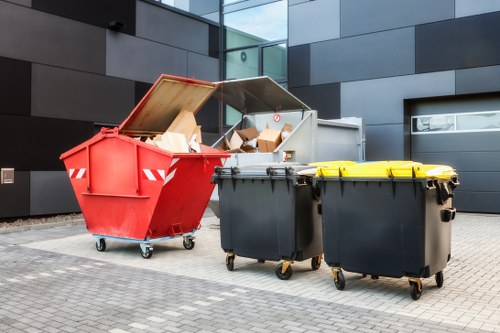 Commitment to the Community: Commercial Waste Harlesden recognises that a resilient, eco-friendly waste disposal area depends on partnership — between businesses, borough services, transfer stations and charities. By promoting reuse-first strategies, investing in low-carbon vans and emphasising correct separation in line with the borough’s approach to waste management, we can meet our recycling goals, lower emissions and support local social enterprises. Together, Harlesden can be a model sustainable rubbish area in North-West London.
